
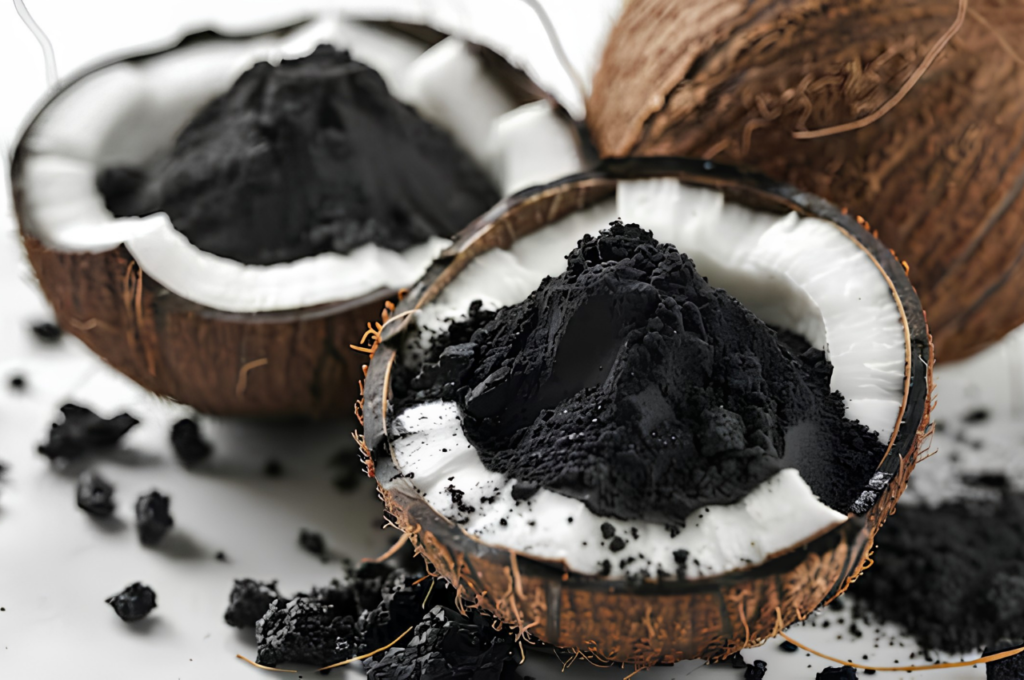
Activated Carbon (Coconut Shell-Based) is one of the most efficient and eco-friendly filtration materials used across global industries. Known for its high adsorption capacity and durability, it plays a vital role in water purification, air treatment, and chemical processing systems.
Coconut shell activated carbon is produced by carbonizing and activating coconut shells under controlled conditions. This creates a highly porous structure that enhances its ability to absorb impurities, toxins, and gases effectively.
It is widely preferred due to its exceptional hardness, high surface area, low dust content, and superior adsorption efficiency, making it ideal for industrial-grade filtration systems.
This material is used in water treatment plants, air purification systems, gold recovery processes, food and beverage filtration, and chemical manufacturing industries.
Compared to coal-based carbon, coconut shell carbon offers higher microporosity, better purity, longer lifespan, and improved environmental sustainability.
Industries worldwide prefer coconut shell activated carbon for its cost efficiency, consistent performance, and eco-friendly nature, making it a sustainable filtration solution.
Activated Carbon (Coconut Shell-Based) remains a critical material in modern filtration and purification systems, offering unmatched efficiency and sustainability for global industries.